
Solar ROI for Indore Homes in 2026
A practical guide for homeowners thinking about going solar
If you live in Indore and have been eyeing those solar panels on your neighbour's rooftop, wondering whether they are actually worth it — this article is for you. No jargon, no sales pitch. Just honest numbers and real talk about what solar means for a typical Indore household in 2026.
Why Indore Is a Solar Sweet Spot
Indore sits in the heart of Madhya Pradesh and receives roughly 300 sunny days a year — one of the highest in the country. Average solar irradiance here hovers around 5.5 to 6 kWh per square metre per day. In plain English, your rooftop soaks up a lot of free energy that most Indian cities simply do not get. Add to that the rising electricity tariffs from MPPKVVCL — which have climbed steadily over the last five years — and you have a strong financial case for solar without even doing the math yet.
What Does a Typical Setup Cost in 2026?
For a standard Indore home consuming 300 to 400 units of electricity per month, a 3 kW to 5 kW rooftop system is usually the right fit. Here is a rough cost breakdown:
System Size | Approx. Cost (After Subsidy) | Monthly Generation (Est.) |
3 kW | Rs. 90,000 – 1,10,000 | 360 – 450 units |
4 kW | Rs. 1,15,000 – 1,40,000 | 480 – 600 units |
5 kW | Rs. 1,40,000 – 1,70,000 | 600 – 750 units |
The central government's PM Surya Ghar scheme currently offers a subsidy of up to Rs. 78,000 for systems up to 3 kW, which meaningfully reduces the upfront hit to your wallet.
The Real ROI: When Do You Break Even?
Let us take a real example. A family in Vijay Nagar pays around Rs. 3,500 to Rs. 4,500 per month on electricity. Install a 4 kW system for roughly Rs. 1.25 lakh after subsidy, and their bill could drop to near zero — or even generate net metering credits they can sell back to the grid. At those savings, the system pays for itself in 4 to 5 years. The panels come with a 25-year performance warranty. That means 20 solid years of nearly free electricity after breakeven. The annualised ROI works out to around 18% to 22% — better than most fixed deposits or recurring savings schemes.
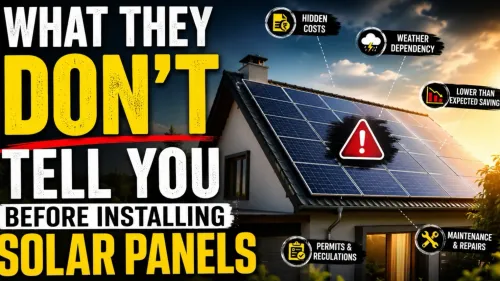
Things to Watch Out For
Solar is not a zero-thought investment. Keep these in mind:
Shading matters: A rooftop with heavy tree or water tank shading will underperform. Get a proper site assessment before signing anything.
Net metering approval: MPPKVVCL's net metering process can take 60 to 90 days. Factor this into your planning.
Installer quality: Choose an empanelled vendor under the PM Surya Ghar scheme to ensure subsidy eligibility and warranty support.
Maintenance is minimal but real: Panels need cleaning every few weeks, especially post-monsoon when dust accumulates.
The Bottom Line
For most Indore homeowners in 2026, rooftop solar is not just an environmental choice — it is a genuinely smart financial one. The city's sunshine, falling panel prices, government subsidies, and rising grid tariffs have all aligned in your favour. If you own your home and have an open rooftop, the question is probably not whether to go solar, but when. And the honest answer is: the sooner, the better.
All cost and generation figures are estimates based on 2026 market rates and prevailing subsidies. Consult a certified solar installer for a customised assessment.
Keywords