The Real Reason Solar Installation Costs Are Increasing
An In-Depth Analysis of the Forces Driving Up Solar Prices
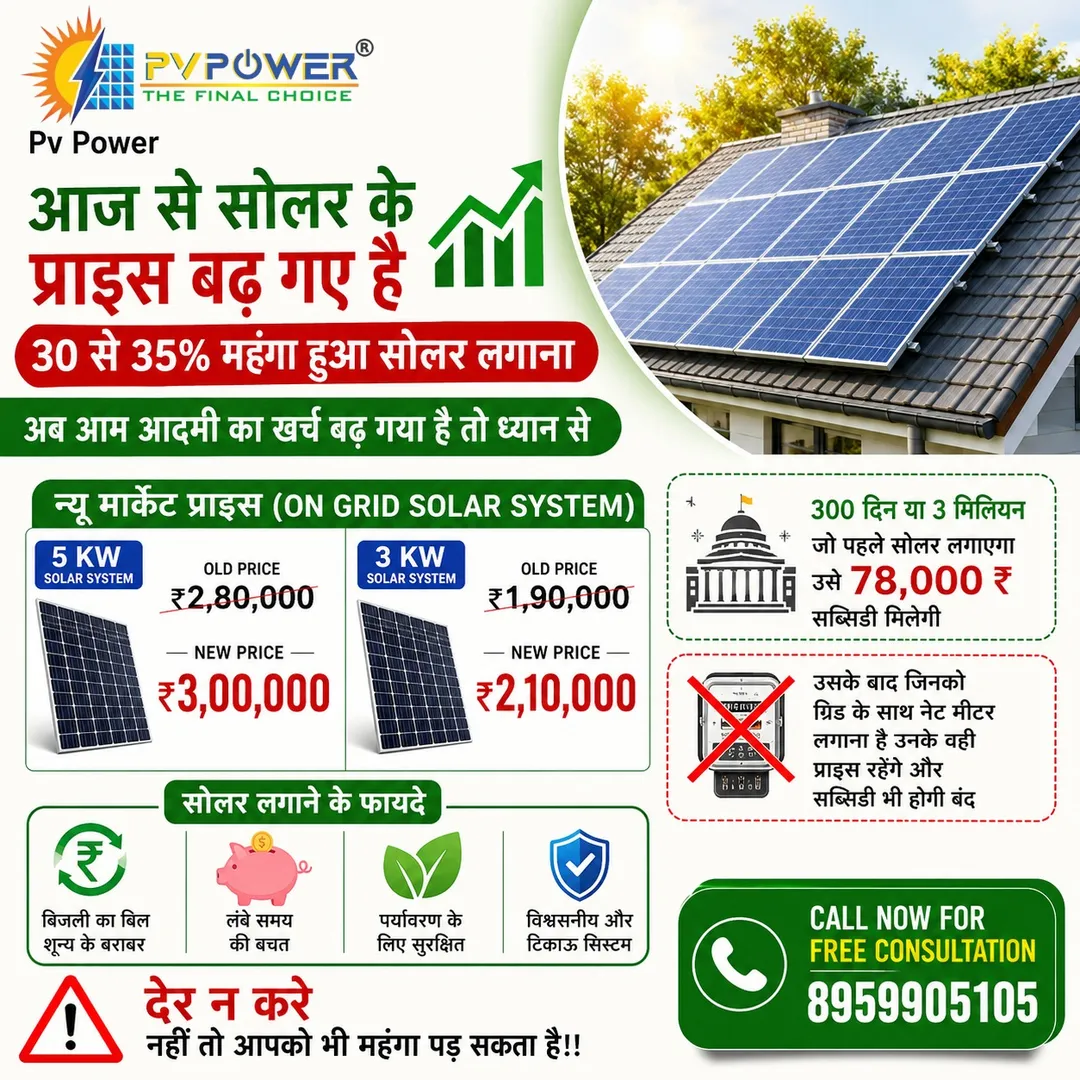
Solar energy was supposed to get cheaper. And for years, it did. The cost of photovoltaic panels dropped by more than 90% over the past decade, turning rooftop solar from a luxury into a mainstream option for millions of homeowners. Yet something unexpected has happened recently — installation costs have begun climbing again, catching consumers and industry analysts off guard alike.
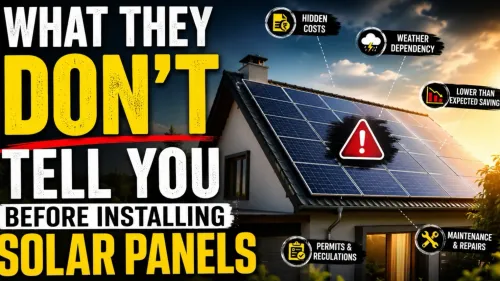
The panels themselves are not the problem. Hardware costs remain relatively low. The real culprits are hiding in the fine print of supply chains, labor markets, policy landscapes, and the very infrastructure holding the solar revolution together.
1. Supply Chain Disruptions and Tariff Pressures
A significant share of solar components — including inverters, racking systems, and wiring — are manufactured or sourced internationally. Trade tariffs imposed on Chinese-made solar goods, combined with ongoing global supply chain volatility, have driven up the price of these essential components. Even when panels are assembled domestically, raw materials like silicon, aluminum, and copper are subject to international price fluctuations. When shipping costs spike and import duties rise, those costs don't disappear — they get passed directly to the consumer.
2. A Critical Labor Shortage
The solar industry is booming — but the workforce hasn't kept pace. Certified solar installers are in short supply across most markets, and training new electricians and technicians takes time. The result is a classic supply-and-demand squeeze: higher wages for skilled labor, longer project timelines, and increased overhead for installation companies. Labor now accounts for a growing proportion of total installation costs, and with demand surging, there is little immediate relief in sight.
3. Permitting, Inspection, and Grid Connection Fees
Often overlooked, the bureaucratic cost of going solar has quietly ballooned. Municipal permitting fees, electrical inspection requirements, and utility interconnection charges vary wildly by region — and many have increased substantially. In some jurisdictions, the "soft costs" of paperwork, compliance, and grid hookup now rival the hardware costs themselves. Utilities, facing pressure from distributed solar adoption, have also begun imposing new fees or restructuring rate plans in ways that make solar less financially attractive.
4. Rising Interest Rates and Financing Costs
Most homeowners finance their solar installations rather than paying cash upfront. As central banks raised interest rates aggressively to combat inflation, the monthly payments on solar loans increased significantly. What once looked like a straightforward payback calculation — "your savings exceed your loan payment" — became far murkier. Higher financing costs directly increase the effective total price of a system, even when the installed hardware cost stays flat.
5. Incentive Uncertainty and Policy Shifts
Government incentives — tax credits, rebates, net metering policies — have long helped offset installation costs. But these incentives are subject to political change. When net metering rates are cut or tax credit structures are modified, the financial equation for consumers shifts. Installers must also invest heavily in staying current with evolving regulations, adding administrative overhead to every project.
The Bottom Line
The solar panels on your roof may be cheaper than ever, but the full cost of going solar reflects a complex web of economic pressures far beyond the hardware. Labor shortages, supply chain fragility, regulatory burdens, financing costs, and policy uncertainty all play a role. Until these systemic issues are addressed — through workforce development, permitting reform, and stable policy frameworks — installation costs are likely to remain under upward pressure, even as the technology itself continues to improve.
Understanding these real drivers is the first step toward advocacy, smarter policy, and ultimately, a more affordable solar future for everyone.
Keywords