
Top Mistakes Before Buying Solar
How to avoid the pitfalls that cost homeowners time, money, and peace of mind
Switching to solar feels like one of those decisions that should be simple. The sun is free, the panels look sleek on a roof, and every advertisement promises lower bills within months. But talk to anyone who has actually gone through the process, and you'll hear a different story — one full of second guesses, unexpected costs, and lessons learned the hard way. Buying solar isn't complicated, but it is easy to get wrong if you rush in without asking the right questions first.
1. Skipping the Research on Installers
The biggest mistake most homeowners make is signing with the first company that knocks on their door or sends a slick online quote. Solar is a twenty-five-year investment, so the installer's reputation matters just as much as the panels themselves. Take time to read reviews, ask for references, and check how long the company has actually been in business. A cheap quote from a company that disappears in two years is not a bargain.
2. Not Comparing Multiple Quotes
Prices for the same system can vary wildly between companies. Settling on the first offer, out of convenience or persuasive sales talk, often means overpaying by thousands of dollars. Getting at least three quotes gives a realistic sense of fair pricing and lets you compare equipment quality, warranties, and financing terms side by side.
3. Ignoring Roof Condition and Shading
A solar system is only as good as the roof beneath it. Installing panels on a roof that needs replacing in a few years means paying twice — once for the panels and again to remove and reinstall them during roof repairs. Similarly, homeowners often underestimate how much shade from trees or nearby buildings can cut into energy production. A proper site assessment before signing anything saves regret later.
4. Misjudging Energy Needs
Some people buy an oversized system hoping to future-proof their home, while others buy too small a system and are disappointed when their bill doesn't drop as expected. The right size depends on actual usage patterns, not guesswork. Reviewing at least twelve months of utility bills gives a far more accurate picture than eyeballing it.
5. Overlooking Financing Fine Print
Loans, leases, and power purchase agreements all come with very different long-term costs. A low monthly payment can look attractive but may include escalator clauses, ownership complications, or resale headaches down the road. Reading the contract carefully, and asking what happens if you sell the house, prevents unpleasant surprises.
6. Forgetting About Permits and Incentives
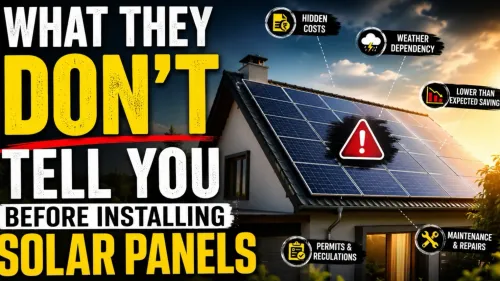
Local permits, utility interconnection rules, and available tax credits or rebates can significantly change the true cost of a system. Skipping this homework, or trusting a salesperson's word without verifying it, can lead to missed savings or delayed installation.
Solar is still one of the smartest long-term investments a homeowner can make, but only when it's done thoughtfully. Slowing down, asking questions, and doing a little homework before signing anything turns a stressful purchase into a genuinely rewarding one.
Keywords